
Cooking gas price in Nigeria has increased significantly in recent years, making it difficult for many households to afford regular refills. Liquefied Petroleum Gas (LPG), which was once seen as a cheaper and cleaner alternative to kerosene and firewood, has now become a major household expense.
Many Nigerian families now struggle to refill their gas cylinders, and some have been forced to return to firewood and charcoal, which are unsafe and unhealthy. Small food businesses that depend on LPG are also affected, as rising costs reduce their profit margins.
In this article, you will learn why cooking gas price in Nigeria keeps rising, the key factors responsible, and practical ways to save money on cooking gas.
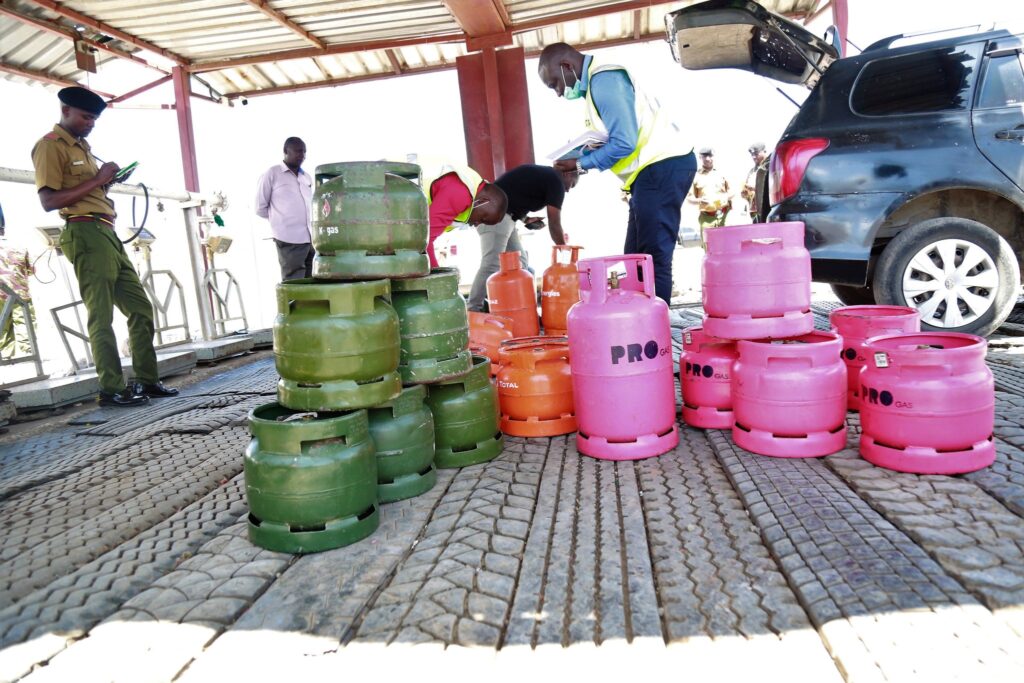
key Factors Driving Gas Price Increases
The price of cooking gas in Nigeria is not stable. It changes often and differs from one location to another. In some areas, refilling a 12.5kg gas cylinder costs much more than in other states.
This price difference happens because:
Gas is mostly imported
Transportation costs are high
Exchange rate keeps changing
Demand is increasing every year
Because of these issues, gas sellers increase prices frequently, and consumers suffer the most.
.
Why Cooking Gas Price in Nigeria Is So Expensive
1. Nigeria Still Imports Most of Its Cooking Gas
Despite being a major oil and gas producer, Nigeria still imports a large portion of the LPG used for cooking. This means:
Importers pay in U.S. dollars
Shipping and import duties increase costs
Global LPG price changes affect local prices
When international LPG prices rise, the cooking gas price in Nigeria rises immediately.
2. High Dollar Exchange Rate
The weak naira is one of the biggest drivers of rising cooking gas prices. When the naira depreciates against the dollar:
Importers spend more to bring in LPG
Gas marketers increase selling prices
Consumers pay more to refill cylinders
This makes cooking gas increasingly unaffordable for many households.
3. Transportation and Distribution Challenges
Transporting LPG across Nigeria is expensive due to:
Poor road networks
High fuel prices
Long distances from gas depots
Security concerns on highways
These transportation costs are added to the final price, further increasing the cooking gas price in Nigeria.
4. Limited Local LPG Infrastructure
Nigeria lacks sufficient gas processing plants and storage facilities. As a result:
Local supply remains limited
Demand exceeds available gas
Prices rise during periods of scarcity
Without major investment in LPG infrastructure, price stability will remain difficult.
5. Rising Demand for Cooking Gas
More Nigerians are switching to LPG because it is:
Cleaner than kerosene
Faster than firewood
Safer when used properly
As demand grows faster than supply, the price of cooking gas in Nigeria continues to rise.
How Rising Gas Prices Affect Nigerian Families
The increase in cooking gas prices has serious consequences, including:
Higher cost of living
Reduced household savings
Increased use of unsafe cooking methods
Greater exposure to smoke-related health issues
Small food vendors and restaurants also suffer as operating costs increase and profits decline.
Simple Ways to Save Cooking Gas in Nigeria
1. Cook in Bulk
Preparing meals in bulk reduces how often you use your gas burner.
2. Use the Right Cooking Pots
Flat-bottomed pots distribute heat better and reduce gas consumption.
3. Control the Gas Flame
High flames waste gas. Moderate flames cook food efficiently and evenly.
4. Turn Off Gas Properly
Always ensure the gas knob is fully turned off after cooking.
5. Maintain Your Gas Burner
Clean burners regularly to prevent blockage and gas leakage.
Common Mistakes That Waste Cooking Gas
Avoid these common habits that increase gas usage:
Leaving the gas on unnecessarily
Using damaged or leaking burners
Cooking small meals repeatedly
Ignoring gas leaks
Correcting these mistakes can significantly reduce gas expenses.
Will Cooking Gas Prices Reduce in Nigeria?
In the short term, cooking gas prices may continue to rise. However, prices can reduce if:
Local gas production increases
More gas plants are built
Transportation improves
Exchange rate becomes stable
Government investment in local LPG infrastructure is very important for price reduction.
Frequently Asked Questions (FAQs)
Why is cooking gas more expensive than before?
Because of high import costs, weak naira, transportation problems, and increased demand.
Is cooking gas cheaper in some states?
Yes. States closer to gas depots usually have cheaper prices.
Is cooking gas better than kerosene?
Yes. Cooking gas is cleaner, safer, and healthier when used correctly.
Conclusion
Cooking gas prices in Nigeria are rising due to importation, exchange rate issues, transportation costs, and increased demand. While the situation is challenging, families can reduce expenses by using gas wisely and avoiding waste.
Understanding these causes helps you plan better and make informed decisions about your household energy use.
For reliable LPG products and services, visit our LPG solutions page.
https://hisprints.com.ng/our-service/
According to Nigeria’s gas sector data, LPG prices are affected by global energy market trends.
